
In an exclusive conversation with Paddock Magazine, Paolo Barilla and Nicola Corradi, Media and External Relations at Barilla explain why one of Italy’s most iconic family brands believes Formula 1 still needs something deeply human.
The modern paddock is a travelling ecosystem built around precision, logistics, and relentless efficiency. Cars are assembled and rebuilt in impossible timeframes. Engineers move between briefings carrying laptops instead of paper notes. Team personnel cross continents almost weekly, operating on little sleep while millions watch every detail unfold in real time.
Even away from the circuit, the rhythm never really stops. Factories remain active through the night during race weekends. Simulators run while cars are still on track. Meetings continue long after the garages close. And yet, amid all the technology and pressure, there remains a surprisingly fragile element inside Formula 1: human connection.
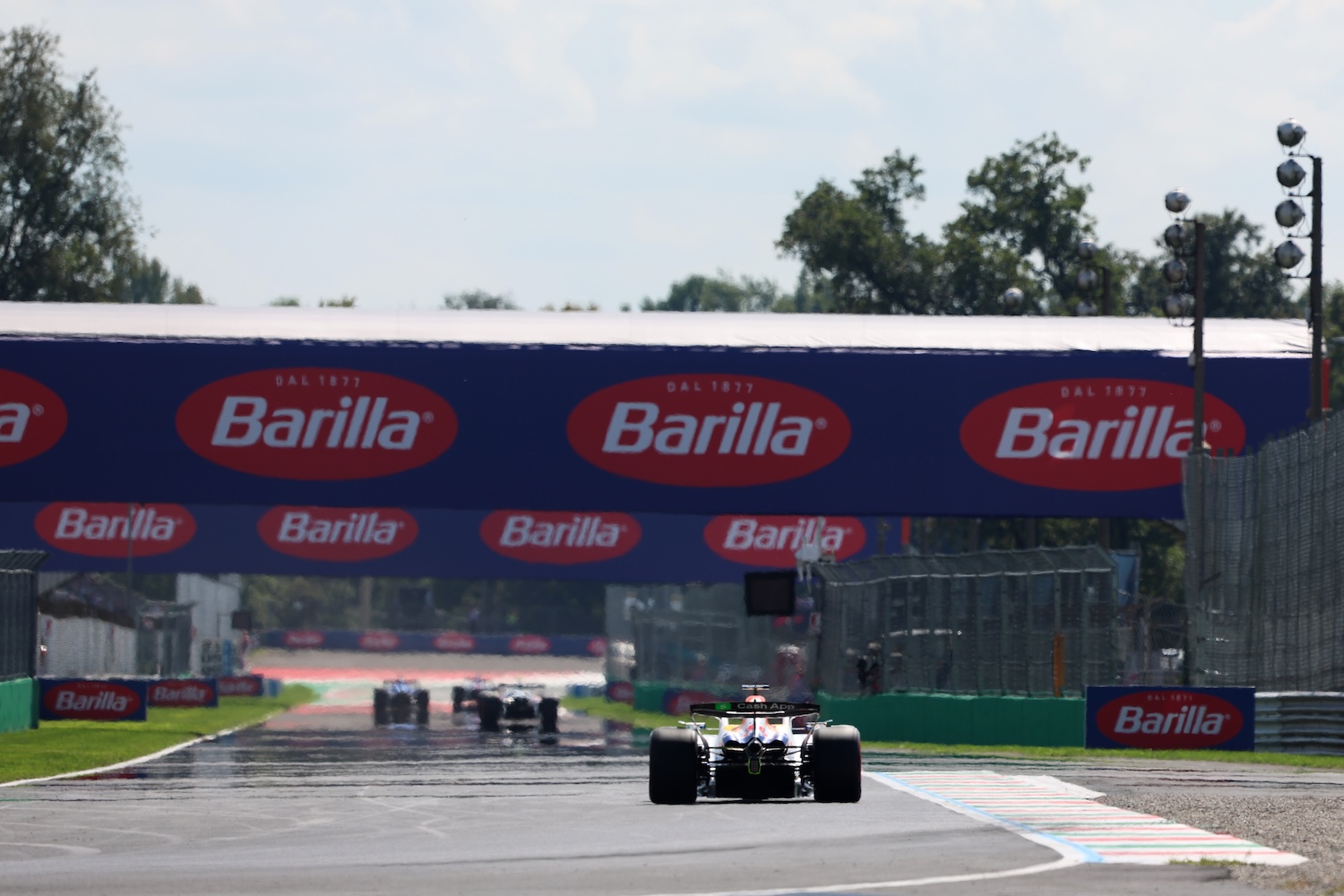
That is precisely the space Barilla identified when the Italian food giant entered Formula 1 as the championship’s Official Pasta Partner in 2025. At first glance, the partnership seemed unexpected. Formula 1’s recent commercial growth has largely been driven by technology firms, financial services, luxury brands, and digital platforms. Pasta hardly appeared like the obvious next addition to the grid.
“We are not entering Formula 1 simply for visibility or sponsorship exposure.” – Paolo Barilla
Speaking exclusively to Paddock Magazine, both Paolo Barilla and Nicola Corradi reveal a philosophy behind the partnership that goes far beyond sponsorship exposure or logo placement. For Barilla, Formula 1 is not simply a marketing platform. It is a living laboratory of excellence, pressure, innovation, and increasingly, global cultural change. And for Paolo Barilla, the connection is also deeply personal.
From the Cockpit to the Boardroom
Long before helping lead one of Italy’s most recognisable global companies, Paolo Barilla experienced Formula 1 from inside the cockpit itself.
After building his reputation in endurance racing and winning the 24 Hours of Le Mans with Porsche in 1985, the Italian competed in Formula 1 during the late 1980s. That experience still shapes the way he sees the sport today – not only as a businessman, but as someone who understands the emotional and operational intensity of Grand Prix racing firsthand.
“For us, it is a privilege to become part of a world that represents a benchmark for excellence,” Barilla tells Paddock Magazine. “We are not entering Formula 1 simply for visibility or sponsorship exposure. As a company deeply rooted in its heritage, but constantly looking ahead, Barilla sees Formula 1 as an opportunity both to learn and to bring our own culture and traditions to a global stage.”
Barilla is not trying to reinvent itself through Formula 1. Nor is it chasing short-term hype. Instead, the company sees the championship as a reflection of challenges it already understands: consistency under pressure, global operations, precision, teamwork, and continuous improvement.
In Formula 1, marginal gains define success. The same philosophy increasingly exists within global food production, where logistics, sustainability, quality control, and consumer expectations evolve constantly.
“A lightning-fast F1 car and a delicious plate of pasta: what do they have in common?” Paolo Barilla says. “At first, it may not be obvious, but behind both are skilled professionals, passionate and determined, driven by the desire to keep improving.”
The comparison may sound poetic at first, but inside Formula 1 it makes surprising sense. Both industries operate around systems where tiny imperfections can have enormous consequences. Both depend on invisible teams whose work is rarely recognised publicly. And both exist within fiercely competitive international environments where standards never stop rising.
More Than a Sponsorship
Formula 1 today is one of the world’s most sophisticated travelling communities. Across a season stretching over nearly ten months, thousands of people move constantly between countries, hotels, airports, and race circuits. Drivers may be the visible faces, but the sport depends equally on mechanics, engineers, hospitality crews, media staff, strategists, logistics personnel, and factory employees working behind the scenes.
Many spend more time with colleagues than with family. That reality increasingly shapes life inside the paddock.
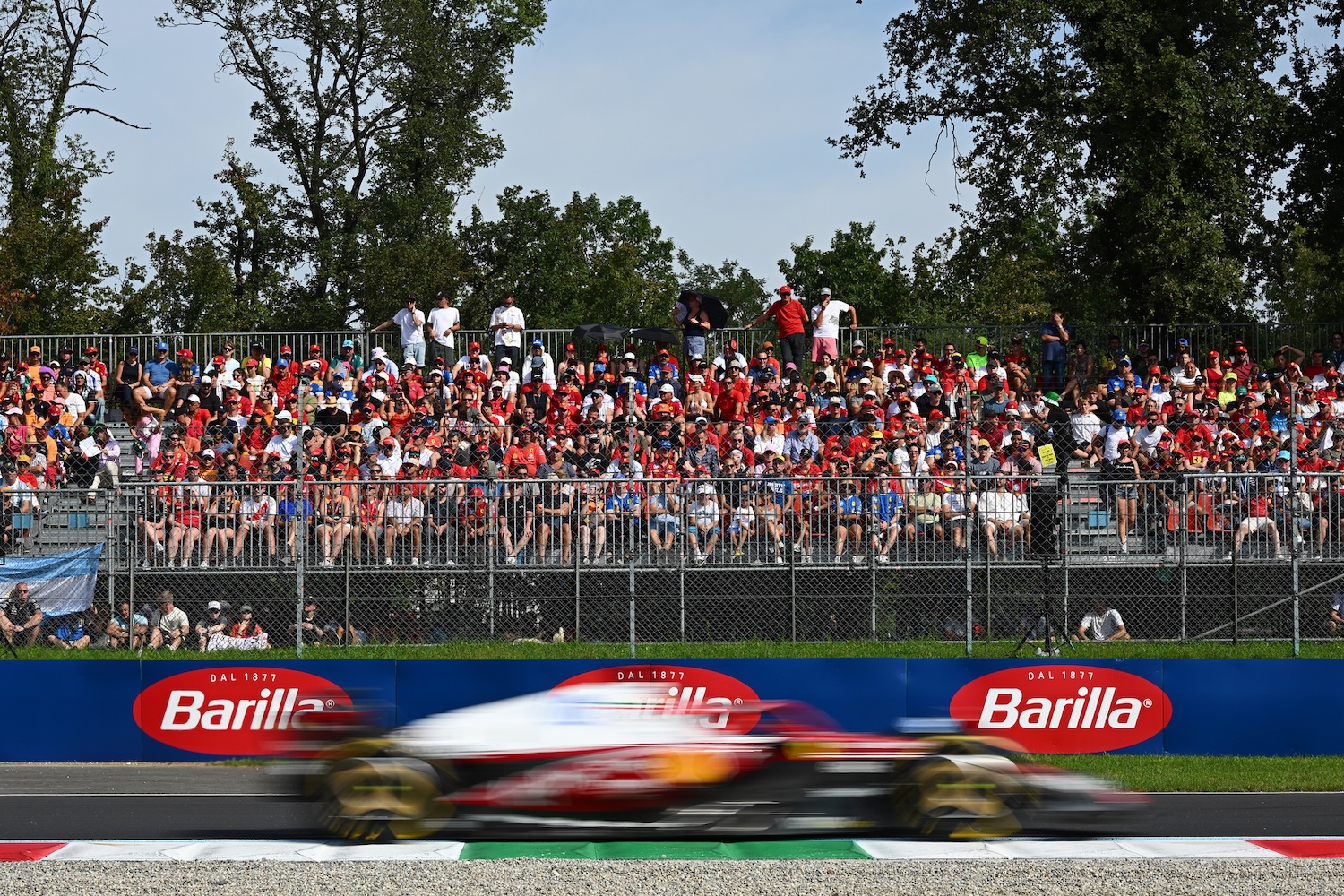
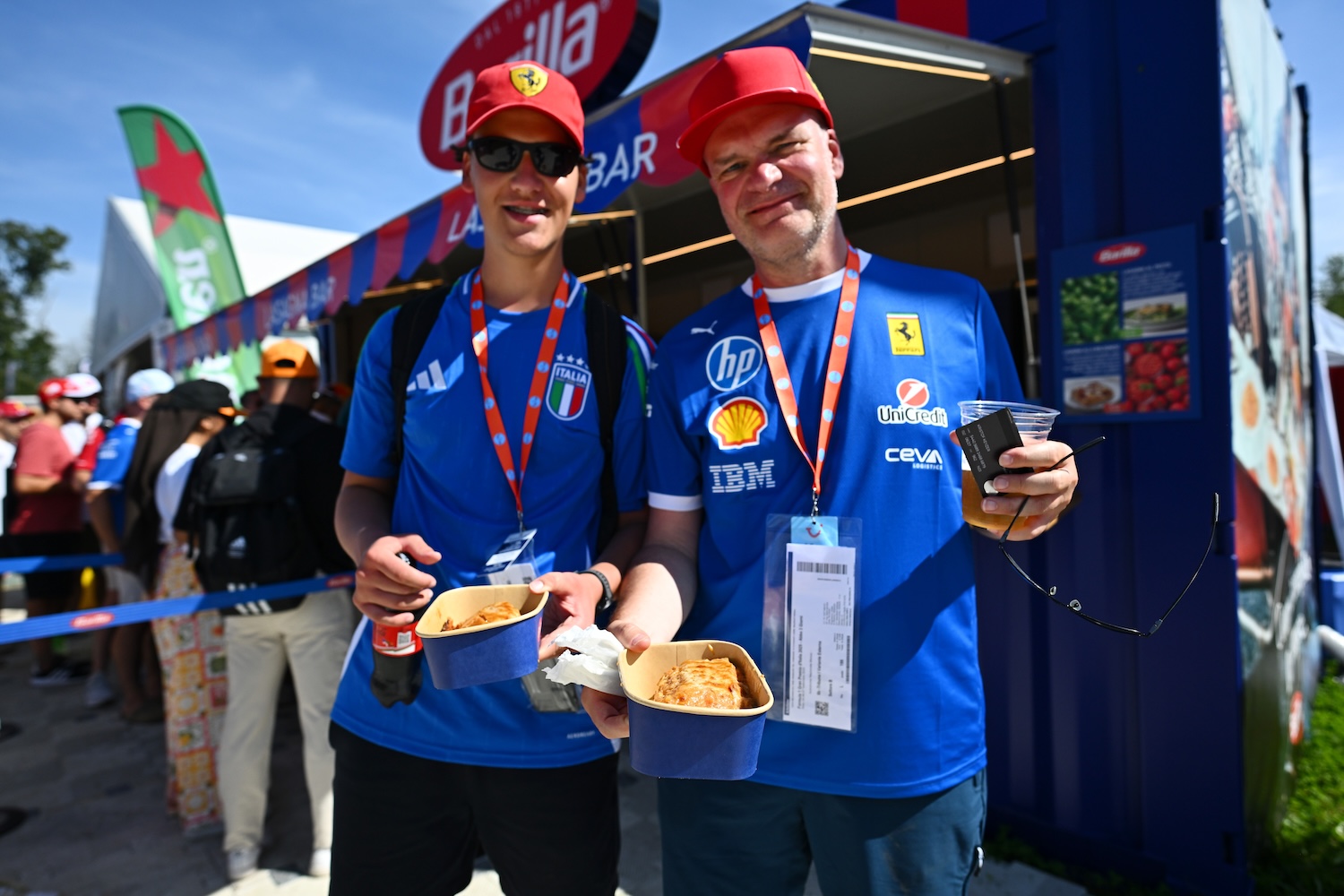
“In this first year of partnership, we have experienced firsthand the excellence and attention to detail that characterize Formula 1,” Nicola Corradi tells Paddock Magazine. “Over the coming years, we look forward to welcoming F1 fans to the table every race weekend, bringing together the thrill of racing and the comfort of a great meal.”
Importantly, Barilla’s language around Formula 1 consistently returns not to performance, but to togetherness.
“This partnership is an invitation to celebrate meaningful moments together,” Corradi continues, “because we believe that sharing a meal has the power to turn strangers into family.”
Inside Formula 1, where schedules are relentless and competition often dominates every interaction, that message resonates more strongly than it might appear from the outside.
The paddock can be glamorous from a distance, particularly during weekends like Monaco. But beneath the yachts, sponsor events, and hospitality suites lies an environment built around pressure and exhaustion.
The Forgotten Story of “Pasticcino”
Perhaps the clearest expression of Barilla’s philosophy arrived through the company’s “Tastes Like Family” campaign, built around a little-known figure from Formula 1 history.
His real name was Luigi Montanini, though most inside the paddock knew him simply as “Pasticcino.” Long before modern hospitality units transformed Formula 1 into a corporate spectacle, Montanini quietly became an unofficial cook for the paddock during the 1970s. Working with little more than portable burners, folding tables, and boxes of pasta, he served meals to mechanics, engineers, journalists, and drivers travelling across Europe during race weekends.
There were no luxury motorhomes. No celebrity chefs. No carefully designed hospitality programmes. Just racing, and occasionally, a hot plate of pasta.
What Barilla understood immediately was that the story was not really about food. It was about belonging.
Back then, Formula 1 was still chaotic and improvised in many ways. Team members travelled endlessly, often under difficult conditions and far from home. Pasticcino’s meals offered something rare inside the intensity of Grand Prix weekends: familiarity.
“Formula 1 has always been a world of rivalry and competition,” Paolo Barilla says. “But beyond that, there is space for friendship. Drivers, mechanics, engineers – they would sit down and share a meal. It was the food that created those moments of connection. A simple plate of pasta made people feel at home, even far from it.”
Innovation, Global Markets, and the Future
Of course, there is also a major strategic dimension behind Barilla’s Formula 1 investment.
The championship’s global expansion – particularly across North America, the Middle East, and Asia – offers access to rapidly evolving consumer markets and changing lifestyles.
“The idea of entering Formula 1 emerged from internal discussions about innovation and the future of food consumption,” Paolo Barilla explains. “Formula 1 takes place across around twenty countries, including many Asian markets where eating habits and meal structures are very different from those we are traditionally used to. There is a great deal we can learn from these cultures and consumer behaviours.”
That perspective is particularly revealing. Rather than using Formula 1 purely to export Italian culture outward, Barilla also sees the championship as a place to observe how global habits are changing inward.
“A simple plate of pasta made people feel at home, even far from it.” – Paolo Barilla
“We are living through a period of profound change in society and consumer habits,” Barilla says. “But change should not be something to fear. It should inspire us to innovate. Being part of Formula 1 also means embracing this spirit of continuous evolution and improvement.”
There is a natural alignment there with Formula 1 itself, where technology evolves every season. Barilla appears to understand that preserving heritage and embracing innovation are not opposing philosophies. In Formula 1, they often coexist.
Monaco perhaps represents that balance better than any other race on the calendar. Mechanics still work through the night. Engineers still chase marginal gains. Team personnel still spend months away from home.
And perhaps that is ultimately why Barilla’s arrival in Formula 1 feels more relevant than expected, because beyond the sponsorships, technology, and commercial growth, Formula 1 is still powered by people.
And even in the fastest sport in the world, people still search for moments that feel like home.