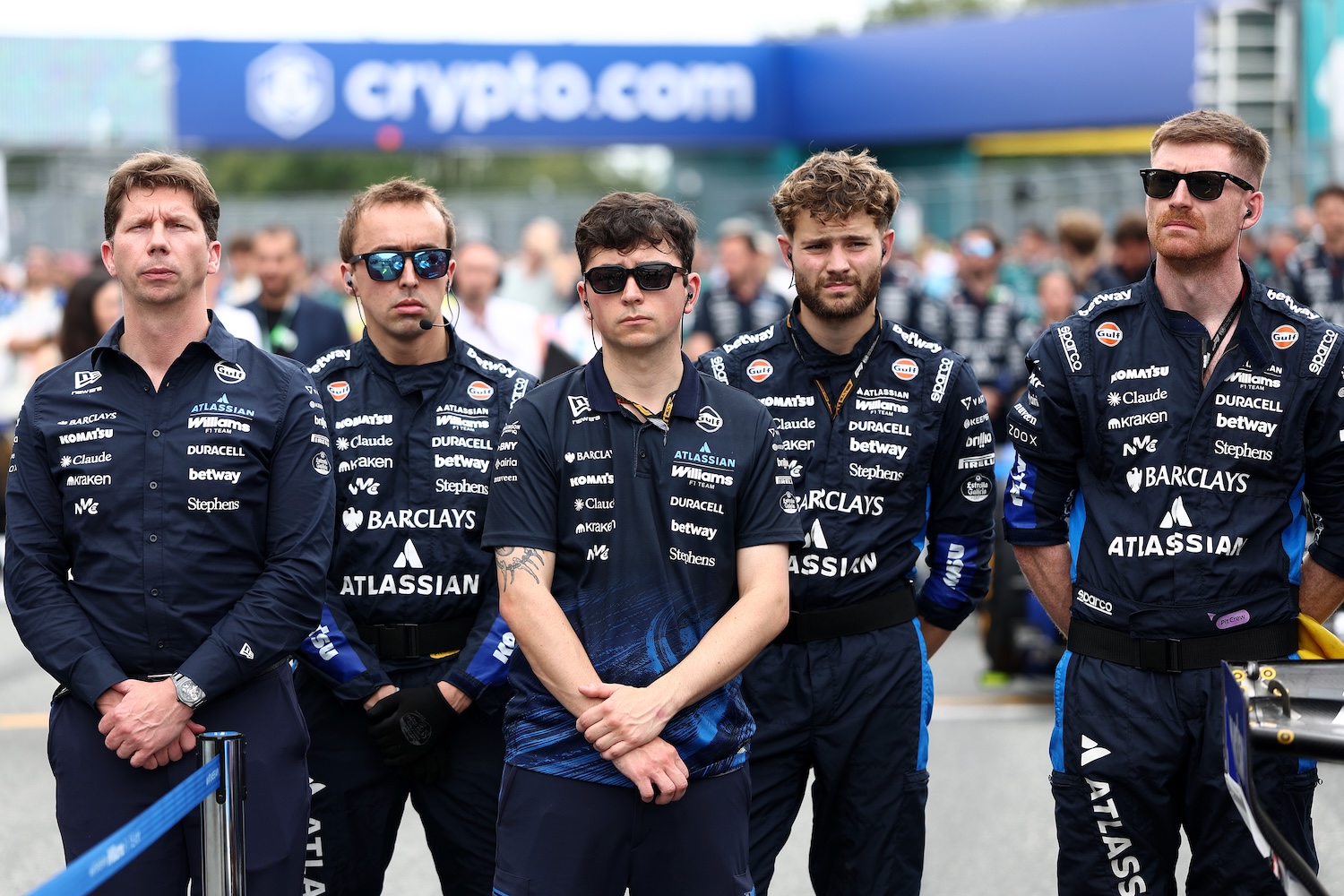

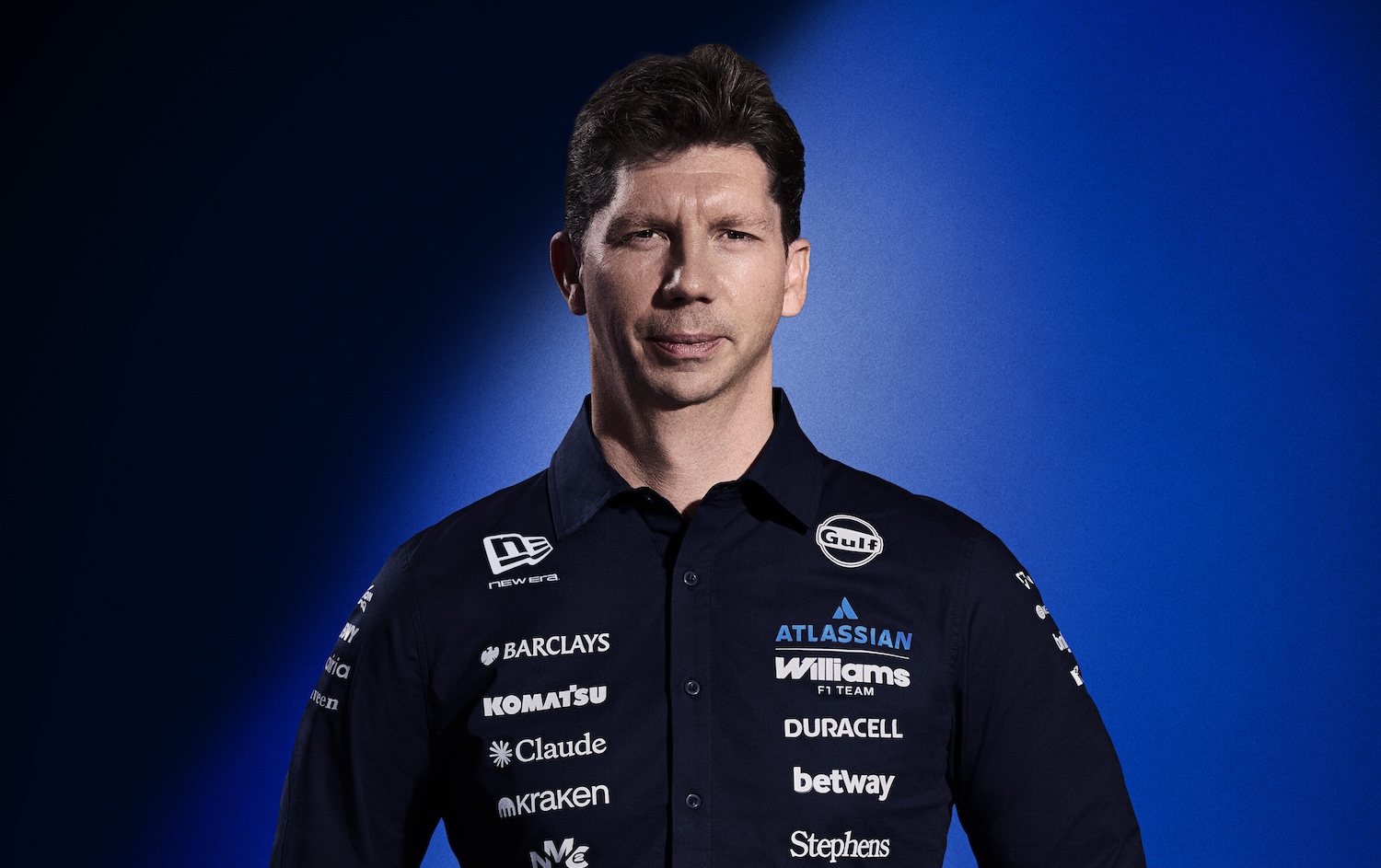
James Vowles on rebuilding Williams, taking risks, attracting top talent, leadership, continuous learning, and why Formula 1 still rewards those willing to think differently.
Three years ago, when Paddock Magazine sat down with James Vowles in Monaco, the Williams Team Principal offered a remarkably honest assessment of where the team stood. While Formula 1’s most famous independent team possessed an unrivalled legacy, many of the facilities, systems and processes required to compete at the very front of the grid were simply not where they needed to be.
Fast-forward to 2026, and Williams continues one of the most ambitious rebuilding projects in modern Formula 1. Significant investments have been made across infrastructure, technology and personnel, all with a long-term objective that Vowles has repeatedly stated: returning Williams to championship-winning form by 2030.
During the Monaco Grand Prix weekend, Paddock Magazine caught up with Vowles to discuss the progress made so far, the challenges that still remain, the risks required to compete against Formula 1’s biggest teams, and the leadership philosophy guiding Williams through its transformation.
First of all, when we last interviewed you in Monaco in 2023, you said most of the facilities were not at the level of a championship-winning team. How has that changed since then?
The good news is we’ve definitely moved the right way, but we’re not there yet.
For example, our inspection facility before couldn’t even fit a floor in to inspect it, and the inspection facility now is at a championship level.
We’ve upgraded a lot of the infrastructure around the machine shop, how we do jigs and fixtures, and how we work with processes. But is it all directionally correct? Yes. Is it anywhere near a championship? No, not yet.
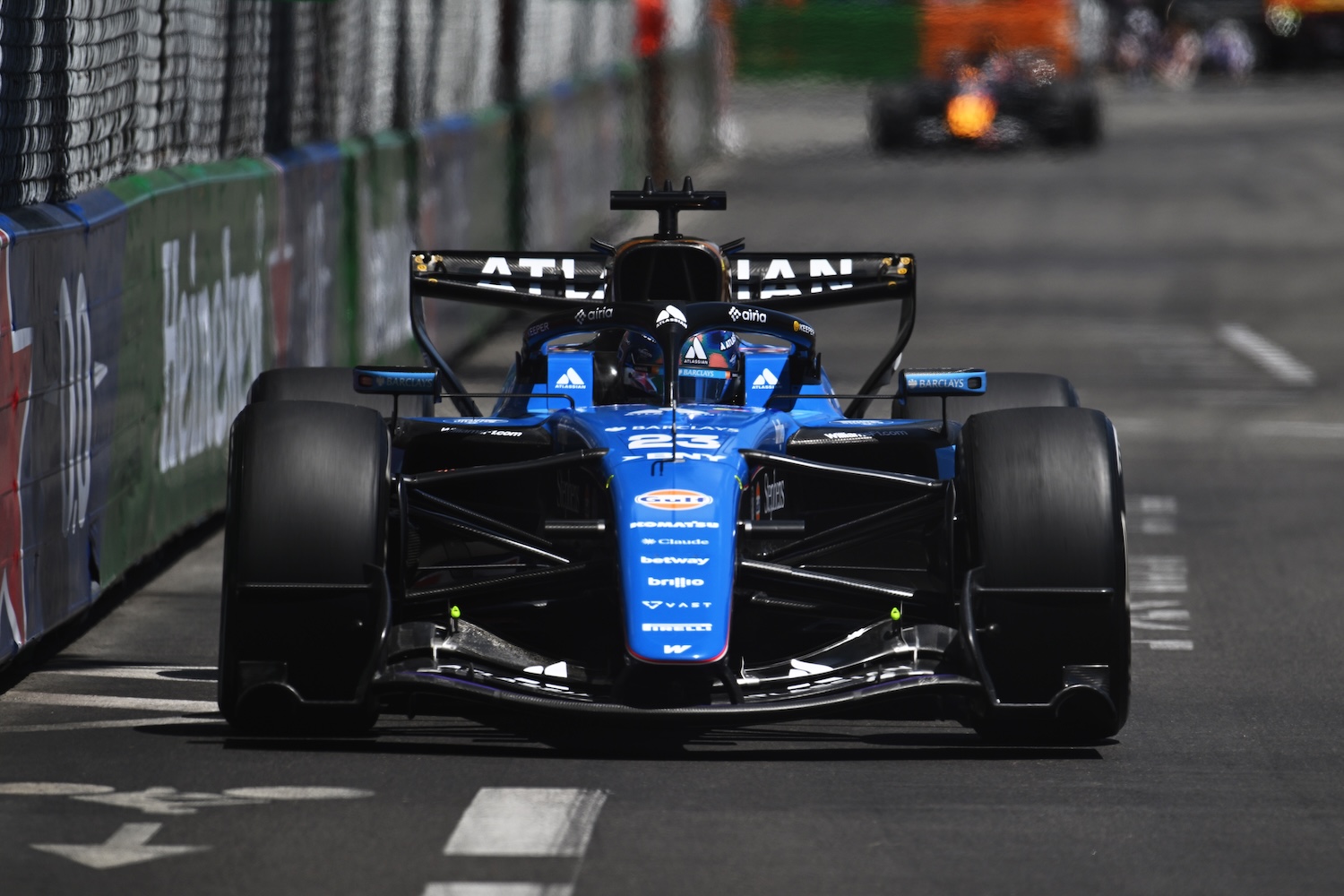
Even the way you use ERP and MRP systems is important. That’s how, from the point where you design a part, you effectively create a bill of materials that has many layers. This table, for example, probably has three layers of bill of material. You have a top, you have legs, you have bolts – all of those go into it.
Ours was effectively an empty carcass in 2023. Directionally, we didn’t get every decision right in terms of what products to put in there, so we’re actually taking one of the products away at this point. It takes a few years of experience to understand what capacity you actually have in the building and how to work with it correctly.
I can see how we will become championship level, but we are not championship level today. We’re investing in a driver-in-the-loop simulator. That was roughly a £20 million investment. That is world-class. That is championship level.
There was another investment in facilities over the last twelve months, worth around £18 million, and that will put us at championship level in another area.
But it’s not something you can do all at the same time. You simply disrupt your business if you try and change everything in one go, so you have to step through it. It’s part of the reason why I continue to say that 2030 is our championship target. I think it’s a realistic one because of what we have to do with infrastructure changes in order to get there.
Do you still need to fight for resources or facility development, or is that part of the plan already secured?
No. There are two levels to that. Dorilton has put in every single penny that I’ve asked for, so there’s no fighting there at all.
The converse is that the cost cap is different now. Where I was before, you had to fight very hard because you couldn’t spend any capital expenditure. One of the reasons why some of these projects were delayed is that we couldn’t spend a single penny under the cost-cap structure.
That only became unlocked recently. We started spending last year in readiness for this year. But every time you spend capital, that’s going to impact you later. If I spend £20 million and let’s say that asset lasts ten years, I effectively have to spend £2 million a year within my cost cap as a result of it.
If you do everything at once, you suddenly create a very large cost-cap burden. That’s why you try to spread projects out over time. If somebody else built those facilities ten years ago, they spend zero in the cost cap today. We don’t have that luxury.
Is it exactly fair and correct? No. We have to be very, very, very clever with how we’re spending money.
If there was no cost cap, could we pull 2030 forward?
Potentially. But we also have to recognise that Ferrari, Mercedes, Red Bull, and McLaren would all be spending hundreds of millions more as well, so I prefer the cost-cap world. It just takes a little bit longer to get there. It’s the right thing to do for Formula 1. We’re constrained by it, but I don’t have any complaints about it.
How much risk do you think Williams will need to take along the way to reach those goals?
A lot. But that’s why I’m here.
For clarity, we took a lot of risks this winter. That’s one of the reasons why things didn’t go at all to plan. But the learning we have from that will help us become championship level much faster.
To become championship level, you have to beat Mercedes, McLaren, Ferrari and Red Bull. Mercedes and McLaren, in particular, have facilities and capabilities that they’ve developed over many, many years.
In the case of Mercedes, because I was there, I know we’re talking about sixteen years’ worth of development in facilities compared to where Williams started from. That’s a huge gap to close.
We’re not going to get there by doing what they did five years later. By definition, we have to take risks in order to move ahead of them.
Williams has announced several important signings in recent months. What makes Williams an attractive place to join right now?
Mainly me. [laughs]
But seriously, the main thing is this: we’re differentiated by technology. We want technology to be at our root and our cause. We are very empowering as a business. There isn’t an individual within our business that isn’t empowered to bring performance to the team or to the car.
That’s really important because you feel part of a project that is moving forward. We have a history that, being frank, only Ferrari and McLaren can really match. I’m biased because I work here, but I’ve had the privilege of working elsewhere and Williams is very different.
The passion we have here is something I’ve never felt anywhere else. There’s a really nice example where we completed aerodynamic work, design work, release work and product delivery in eighteen hours.
.
Normally, in Formula 1, we’d be talking about two weeks. That happened because I had an aerodynamicist working until one in the morning and a designer working until two in the morning. That’s what they wanted to do because they wanted to move the team forward. That level of dedication and passion is something that should be commended.
The other thing about Williams is that, while I wouldn’t call it a family, it has that environment. When you come into the building, you feel welcome. Driven by technology, driven by passion, and with every individual having the ability to contribute – that’s what makes Williams special.
Obviously, there have been difficult moments during the rebuilding process. How do you keep the drivers aligned with the vision and maintain confidence among stakeholders?
When we had bad news in September, October, November and December, I shared that bad news all the way through with the drivers. As soon as we knew something, they knew it. That makes a difference because they weren’t separate from the team. They are very much part of the team. They are very much leaders of the team.
They need to know how bad things are and what’s going on at all points. The same applies to positive developments. Every single thing we have planned from now until the end of the season is shared with them. They understand the pathway. That means people judge us not by what happened in the winter, but by what we deliver race after race as we fight our way forward.
At Williams, a few years ago, if we were ninth, we would stay ninth. At Williams today, we will fight our way back up the grid. That’s what we’re here to do.
That transparency is just me all over. It’s how I work. It keeps people on the journey. It keeps the drivers on the journey.
And if you speak to them today, they’ll tell you exactly that. They understand the journey we’re on, they understand what we’re delivering, and they understand how we’re tracking against it.
You have a strong engineering background, but you also lead a large organisation. How deep do you still need to go into technical details, and how do you balance the engineering side with the leadership side?
It’s a really good question because I think what makes a very good Team Principal is the ability to do both. You want to be strategic. You should be strategic. Otherwise, you’re too caught up in the moment and in the now.
Primarily, that’s where you should be – thinking long term, understanding where you’re going and how you’re going to get there. But what makes a very good Team Principal is also the ability to dive all the way down into the business and understand why something isn’t working the way it should be.
If you’re always strategic and you don’t understand how the foundations are working, I don’t think you can build the best organisation. Using a different language, you have to be both tactical and strategic and find the right balance between the two.
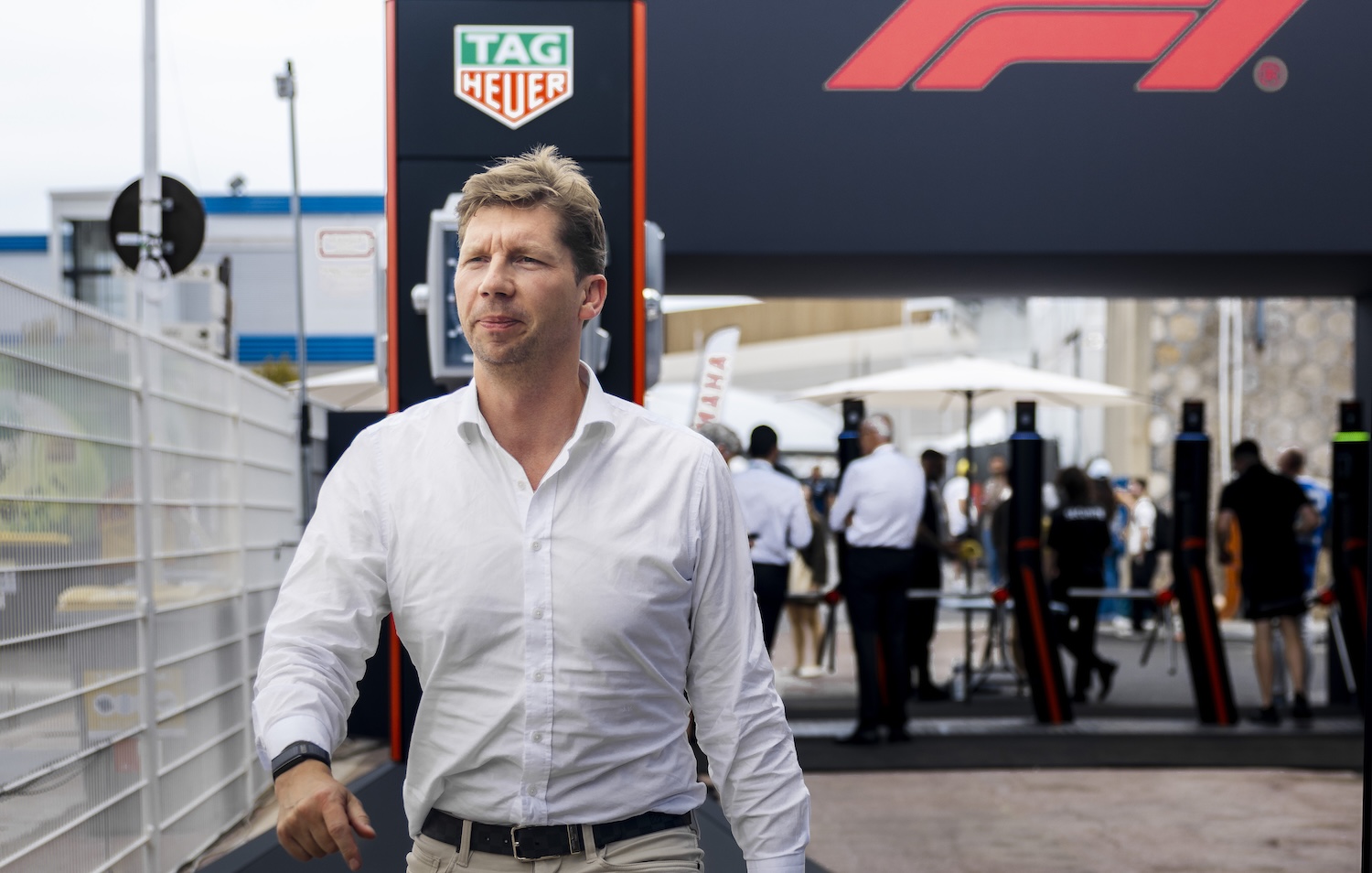
Some leaders are way too tactical. Every day they’re in the tactical space, and they don’t spend enough time being strategic. I’m fortunate to have a really strong leadership team around me that, both when I’m too tactical and when I’m too strategic, let me know so that I can correct my behaviours.
The point I’m making is that it’s not about one person anymore. It’s about a leadership team, and you need course correction within that team. For example, with that eighteen-hour project I mentioned earlier, I was involved at a very deep engineering level.
This morning was completely different. It was about Monaco, Baku, next year, and what we’re doing two years from now. That’s where I should be spending most of my time.
How would you describe your leadership style?
Honest. Transparent. Direct. There’s no fluff. If we talk, I’ll tell you exactly how it is. There isn’t much warming up.
But it also means you know exactly where you stand. Understanding is important as well because I’ve been in quite a few other people’s shoes. You understand some of the pressures they’re under, so I try to be supportive of that as well.
After decades in motorsport and leadership roles at the highest level, do you still find yourself learning and evolving as a leader?
Not for a second do I think I’m finished. I have peers that have won multiple championships in this business as Team Principals. I haven’t. I’ve won championships in different capacities, but not as a Team Principal.
It would be foolish to think I have anywhere near the right level of leadership skills already. Even when I win a world championship, I’m fairly confident I can still go to Netflix, Google or Amazon and learn different ways of being a leader that make me stronger.
What excites me is continuously learning and developing. As a human being, I enjoy finding new ways of doing perhaps even the same task.
I think that’s a good way for a leader to be. You should never accept that you’re the finished product because you’re not. I hope I’m still learning until the day I pass away.
What are some of the best sources for gaining wisdom as a leader?
There are some really good books. One I always recommend is Where Good Ideas Come From.
Matthew Syed is a friend, but I genuinely think he’s a fantastic author. His books Black Box Thinking and Rebel Ideas are both excellent and contain valuable lessons for leaders.
Amy Edmondson’s work is also excellent, particularly around intelligent failure.
These aren’t books that simply tell you how to be a leader. They’re tools. I don’t think there’s a single person out there who can tell me how to be a good leader of Williams Racing. But there are many people who can provide the tools you need to become a better leader in your own environment.
Before we finish, let’s move away from Formula 1 for a moment. Aviation is a passion of yours. Where did that fascination originate?
From when I was very young, I was always trying to find whatever mechanism I could to go as fast as possible. That was how I grew up.
It started with running, then cycling, then motorcycles, as soon as I was old enough, then cars. The natural evolution of that is aviation because you can go faster. I fly both helicopters and aeroplanes.
With helicopters, you can go almost anywhere. If you and I woke up one morning and decided we wanted to go somewhere, we could just go. You can land, explore and experience the world in a way you otherwise couldn’t.
With aeroplanes, you can do the same thing in a more comfortable way. I love the freedom that comes with exploration and the freedom that comes with speed. There aren’t many people in the world who get to experience that.
And then there are moments like flying with the Blue Angels. That was a dream of a lifetime. I don’t know many children who didn’t dream about being a fighter pilot. To be in a modern military aircraft, flying at those speeds, experiencing that environment – it’s extraordinary.
That’s what I love. The freedom of exploration. The speed. Doing something different. Being exposed to an environment that most people never get the opportunity to experience.
How often do you actually get to fly these days?
Not as often as I would like. This year I’ve only flown an aeroplane twice and a helicopter twice. Formula 1 keeps me busy.